You Won’t Believe How Simple Anti-Aging Can Be
Have you ever looked in the mirror and wondered why time seems to leave its mark a little too quickly? The truth is, anti-aging isn’t about expensive creams or extreme diets. It’s about how you adjust your body daily. Small, consistent shifts in habits can make a noticeable difference. I’ve tested this myself—and the results surprised me. Within weeks of making simple, science-backed changes, my energy improved, my skin looked clearer, and I felt more resilient. The secret wasn’t a miracle product but a shift in understanding: aging is not just a number. It’s a reflection of how well we care for our bodies every single day.
The Hidden Truth Behind Aging: It’s Not Just Time
Most people assume that aging is simply the result of time passing—wrinkles deepen, energy dips, and stiffness sets in as birthdays accumulate. But science reveals a more nuanced reality: while chronological age is fixed, biological age—the condition of your cells, tissues, and organs—is highly malleable. The visible signs of aging are often not due to time itself, but to how we live. Factors like chronic stress, poor sleep, environmental toxins, and sedentary lifestyles can accelerate aging at the cellular level, far beyond what years alone would cause.
At the heart of this process are two key biological mechanisms: oxidative stress and chronic inflammation. Oxidative stress occurs when free radicals—unstable molecules produced by normal metabolism and external stressors like pollution or UV exposure—outnumber the body’s natural antioxidants. These free radicals can damage DNA, proteins, and cell membranes, leading to premature aging. Meanwhile, chronic low-grade inflammation, often triggered by poor diet, lack of movement, or ongoing emotional stress, silently wears down tissues over time. Unlike acute inflammation, which helps the body heal, chronic inflammation contributes to a host of age-related conditions, from joint stiffness to dull skin and low energy.
Another crucial factor is the decline in cellular repair and regeneration. As we age, the body’s ability to maintain and renew cells slows. This includes the shortening of telomeres—protective caps on the ends of chromosomes that shorten with each cell division. When telomeres become too short, cells can no longer divide and may become inactive or die. However, research shows that lifestyle choices can influence telomere length. Healthy habits such as regular physical activity, sufficient sleep, and stress management have been associated with slower telomere shortening, effectively supporting a younger biological age.
The encouraging takeaway is this: aging is not an inevitable downward spiral. It is deeply influenced by daily choices. While genetics play a role, they account for only about 20–30% of how we age. The remaining 70–80% is shaped by lifestyle. This means that even if you feel like time is moving too fast, you still have significant control over how your body responds. Recognizing that aging is not just time but a reflection of how we live empowers us to take meaningful action—one day, one habit at a time.
Why Body Adjustment Matters More Than You Think
The idea of “body adjustment” might sound technical, but it’s really about alignment—bringing your daily rhythms into harmony with your body’s natural biology. Think of your body as a finely tuned instrument. When everything is in sync—your sleep, digestion, energy levels, and stress response—you function optimally. But when one system is off, such as disrupted sleep or poor digestion, it can throw the entire system out of balance, leading to fatigue, bloating, skin issues, and a general sense of feeling older than your years.
Modern life often works against this natural alignment. Constant screen exposure, irregular eating patterns, and high stress levels send conflicting signals to the body, confusing its internal clock—also known as the circadian rhythm. This rhythm regulates everything from hormone production to metabolism and immune function. When it’s disrupted, the body cannot repair and regenerate as effectively, accelerating signs of aging. For example, an imbalanced circadian rhythm can impair melatonin production, which not only affects sleep but also acts as a powerful antioxidant, protecting cells from damage.
Similarly, digestive health plays a surprisingly large role in how we age. The gut is often called the “second brain” because of its extensive network of nerves and its influence on mood, immunity, and inflammation. A sluggish or imbalanced digestive system can lead to nutrient deficiencies, increased inflammation, and even skin breakouts—all of which contribute to an older appearance. Yet, many people overlook gut health, focusing instead on external fixes like skincare or supplements, without addressing the root cause.
Quick fixes fail because they don’t address these underlying imbalances. A detox juice might give a temporary glow, but if your sleep is poor and your stress is high, the effects won’t last. True, lasting change comes from tuning into your body’s signals—recognizing when you’re tired, when you’re hungry, when you need movement or stillness. Body adjustment isn’t about perfection; it’s about small, consistent choices that support internal harmony. When your body feels balanced from within, the outward signs of aging naturally slow, not because you’re fighting time, but because you’re working with your biology.
Morning Rituals That Set the Tone for Youthful Energy
How you start your day can set the tone for how you age. A mindful morning routine doesn’t require hours of effort—just five to fifteen minutes of intentional choices can signal your body to wake up, reset, and prepare for regeneration. One of the simplest yet most powerful habits is drinking water first thing in the morning. After six to eight hours without fluids, your body is mildly dehydrated. Replenishing with a glass of water helps kickstart metabolism, flush out metabolic waste, and support clear, plump skin. For an extra benefit, add a slice of lemon—its natural citric acid supports liver detoxification pathways, helping the body process and eliminate toxins more efficiently.
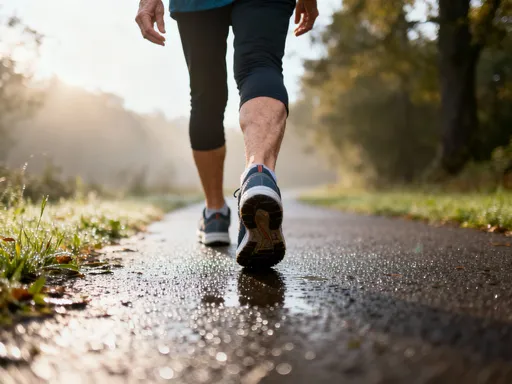
Next, incorporate gentle movement. After lying still all night, your muscles and joints are stiff. A short walk outside or a few minutes of light stretching can improve circulation, deliver oxygen to tissues, and awaken the nervous system. Focus on movements that feel good—reaching arms overhead, twisting gently from side to side, or rolling the shoulders. These small actions stimulate the lymphatic system, which helps remove cellular waste, and enhance joint mobility, reducing the stiffness often associated with aging. Even standing barefoot on the ground for a few minutes—a practice known as grounding—can help regulate the body’s electrical balance and reduce inflammation.
Mindful breathing is another key component. Deep, slow breaths activate the parasympathetic nervous system, signaling the body to shift from “fight or flight” to “rest and digest.” This not only lowers stress hormones like cortisol but also improves oxygen delivery to cells, supporting energy and mental clarity. Try inhaling for four counts, holding for four, and exhaling for six—this simple ratio encourages calm and focus. Over time, these morning habits train the body to enter a state of balance early in the day, making it easier to maintain throughout the hours that follow.
The cumulative effect of these practices is profound. Rather than relying on caffeine to push through fatigue, you’re giving your body the signals it needs to generate energy naturally. This sets a foundation for sustained vitality, clearer thinking, and a more youthful appearance. Morning rituals aren’t about adding more to your schedule—they’re about beginning the day in a way that honors your body’s need for hydration, movement, and stillness. When practiced consistently, they become a daily act of self-care that quietly slows the aging process from within.
Eating for Longevity: It’s Not About Dieting
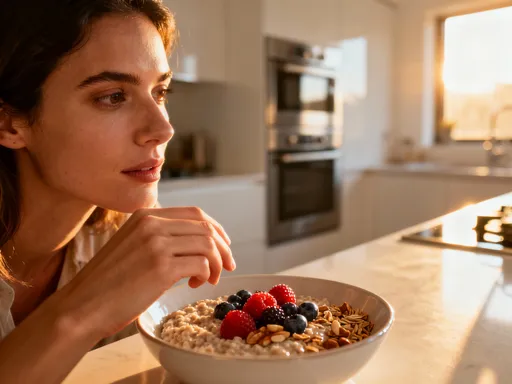
When it comes to anti-aging, what you eat matters far more than how much. The focus should not be on restrictive dieting but on nourishing your body with foods that support cellular health and reduce inflammation. Whole, unprocessed foods—such as colorful vegetables, fruits, legumes, whole grains, nuts, seeds, and healthy fats—provide the vitamins, minerals, and antioxidants needed to protect cells from damage. These nutrients act like internal bodyguards, neutralizing free radicals and supporting the body’s natural repair systems.
Plant-rich meals are especially important. A diet abundant in leafy greens, berries, cruciferous vegetables like broccoli and Brussels sprouts, and fiber-rich legumes has been linked to slower biological aging. These foods contain compounds like polyphenols and flavonoids that support heart health, brain function, and skin elasticity. For example, the anthocyanins in blueberries have been shown to improve circulation and protect against oxidative stress, while the sulforaphane in broccoli supports the body’s detoxification enzymes. Including a variety of colors on your plate ensures a broad spectrum of protective nutrients.
Healthy fats are another cornerstone of longevity. Fats from sources like avocados, olive oil, nuts, and fatty fish provide the building blocks for cell membranes and help regulate inflammation. Omega-3 fatty acids, in particular, found in salmon and flaxseeds, are known for their ability to reduce inflammatory markers in the body. Unlike processed vegetable oils or trans fats, which can contribute to cellular damage, these natural fats support brain health, skin hydration, and joint flexibility—key elements of feeling and looking younger.
Equally important is when you eat. Time-restricted eating—consuming all meals within a consistent window of 8 to 12 hours—allows the body extended periods of rest and repair. During fasting periods, cells engage in autophagy, a natural cleanup process where damaged components are recycled and removed. This cellular “spring cleaning” supports longevity by maintaining healthy cell function. You don’t need to follow a strict protocol; even stopping eating by 7 or 8 p.m. and waiting until 7 or 8 a.m. to eat again can make a difference. The goal is to align eating patterns with your body’s natural rhythms, not to create deprivation.
The key is sustainability. Rather than adopting rigid rules, focus on gradual shifts—cooking more at home, reducing processed snacks, and savoring meals without distraction. When eating becomes a mindful, enjoyable act of nourishment rather than a source of stress, it supports both physical and emotional well-being, contributing to a more vibrant, age-defying life.
The Sleep-Aging Connection You’re Probably Ignoring
Sleep is one of the most powerful anti-aging tools, yet it’s often the first habit sacrificed in a busy life. During deep sleep, the body undergoes critical repair processes: tissues regenerate, hormones rebalance, and the brain clears out metabolic waste. Growth hormone, essential for maintaining muscle mass and skin elasticity, is primarily released during deep sleep stages. Meanwhile, cortisol, the stress hormone, should naturally decline at night—when it doesn’t, it can lead to increased fat storage, poor skin health, and fatigue.
Chronic poor sleep accelerates aging at multiple levels. Studies show that people who consistently sleep less than six hours per night have shorter telomeres, indicating faster cellular aging. Additionally, disrupted sleep impairs insulin sensitivity, increasing the risk of blood sugar imbalances and inflammation—both of which contribute to premature aging. Even one night of poor sleep can make the skin appear duller, with more visible fine lines and puffiness, as fluid redistribution and reduced blood flow affect the face.
The good news is that small changes can significantly improve sleep quality. One of the most effective is reducing screen exposure at least one hour before bed. Blue light from phones, tablets, and TVs suppresses melatonin production, delaying sleep onset and reducing sleep quality. Replacing screen time with calming activities—such as reading a physical book, listening to soft music, or practicing gentle stretching—signals the brain that it’s time to wind down.
Creating the right environment also matters. A cool, dark, and quiet bedroom supports deeper sleep stages. Consider using blackout curtains, a white noise machine, or a fan to maintain comfort. Consistency is more important than perfection—even going to bed and waking up within a one-hour window each day helps regulate your internal clock. Over time, your body learns to anticipate sleep and wake times, making it easier to fall asleep and wake up feeling refreshed.
When sleep improves, the effects are visible and tangible. Energy levels rise, mood stabilizes, and skin regains its glow. More importantly, the body gains the time it needs to repair and renew—making sleep not a luxury, but a non-negotiable pillar of anti-aging. Prioritizing rest is one of the most loving things you can do for your long-term health and vitality.
Movement as Medicine: How Daily Motion Slows Aging
Movement is one of the most accessible and effective anti-aging strategies, yet it’s often misunderstood. It’s not about intense workouts or achieving a certain body shape—it’s about maintaining function, strength, and independence as you age. Regular motion supports every system in the body: it strengthens the heart, improves circulation, maintains muscle mass, and keeps joints flexible. As we age, muscle loss—known as sarcopenia—naturally begins in our 30s and accelerates after 50. But research shows that consistent, moderate strength training can slow or even reverse this decline, preserving strength and balance.
Walking is one of the simplest yet most powerful forms of movement. A daily 30-minute walk improves cardiovascular health, boosts mood through the release of endorphins, and supports healthy digestion. It also enhances mitochondrial function—the energy factories within cells—helping the body produce energy more efficiently. Unlike high-intensity exercise, which can be hard on joints and increase inflammation if overdone, walking is sustainable and gentle, making it ideal for long-term health.
Strength training doesn’t require a gym. Bodyweight exercises like squats, wall push-ups, and step-ups can be done at home and are highly effective. Using light resistance bands or dumbbells adds variety and promotes bone density, reducing the risk of fractures. The goal isn’t to build bulky muscles but to maintain functional strength—being able to carry groceries, climb stairs, or play with grandchildren without strain. This kind of strength preserves independence and confidence in later years.
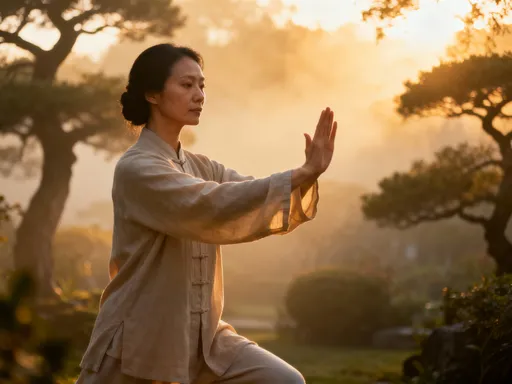
Flexibility and balance are equally important. Gentle stretching, yoga, or tai chi improve posture, reduce stiffness, and prevent falls. These practices also calm the nervous system, linking physical movement with emotional well-being. The rhythm of controlled breathing paired with slow motion helps reduce stress and improve body awareness. Over time, regular movement becomes less about exercise and more about feeling alive—connected to your body and capable in your daily life. When movement is enjoyable and consistent, it becomes a true medicine for aging well.
Mind-Body Harmony: The Emotional Side of Staying Young
Stress is one of the most underestimated accelerators of aging. While short-term stress is a normal part of life, chronic stress—especially the kind that lingers from daily responsibilities, emotional strain, or unresolved tension—takes a toll on the body. When stress is constant, cortisol remains elevated, which over time can impair digestion, weaken immunity, increase inflammation, and disrupt sleep. These changes manifest physically: skin may become more sensitive or breakout-prone, energy levels dip, and motivation wanes.
The mind-body connection is real and powerful. Emotional well-being directly influences physical health. People who feel content, connected, and at peace often appear more vibrant, regardless of age. On the other hand, carrying emotional weight—such as worry, resentment, or loneliness—can make a person look and feel older. This isn’t just perception; chronic stress has been shown to shorten telomeres and impair cellular repair, literally aging the body faster.
The good news is that simple practices can restore balance. Taking a few minutes each day to pause, breathe deeply, and check in with yourself can interrupt the stress cycle. Journaling—writing down thoughts, worries, or gratitude—helps process emotions and gain perspective. Even laughing, spending time in nature, or connecting with loved ones can lower cortisol and boost mood-enhancing chemicals like serotonin and oxytocin.
Mindfulness doesn’t require hours of meditation. It can be as simple as savoring a cup of tea, noticing the warmth of the sun on your skin, or listening fully during a conversation. These small moments of presence train the nervous system to shift out of survival mode and into a state of safety and calm. When the mind is at ease, the body follows. True anti-aging includes this emotional dimension—not chasing perfection, but cultivating inner peace. When you feel younger on the inside, it shows on the outside.
Putting It All Together: A Sustainable Path to Feeling Younger
Anti-aging isn’t about reversing time or erasing every wrinkle. It’s about creating a life where you feel strong, energized, and engaged at any age. The practices outlined—hydration, movement, mindful eating, quality sleep, and emotional balance—are not quick fixes, but long-term investments in your well-being. They work together, each supporting the others, to maintain your body’s natural ability to repair, renew, and thrive.
The most effective approach is not to overhaul everything at once, but to start small. Choose one habit—perhaps drinking water in the morning, taking a short walk, or setting a consistent bedtime—and focus on making it a daily ritual. Once it feels natural, add another. Consistency matters more than intensity. Over time, these small choices compound, creating a foundation of health that radiates outward.
Remember, you’re not fighting your body—you’re supporting it. Aging is a natural part of life, but how you age is largely within your control. By listening to your body, honoring its needs, and making gentle, sustainable adjustments, you can feel more vibrant, resilient, and alive. The goal isn’t to look younger, but to live fully—with energy, clarity, and joy. And that is the truest form of anti-aging.